Vulse ArtVulse Art
Home/How-to Guides

Who Are Gen Z And Why Are They Important To Cater To? 

  • How-To Guides
blog-image

Gen Z is the term used to group together people born between 1996 and 2012. They’ve been raised with technology and social media and are said to be one of the most progressive generations yet. The older members of this demographic are leaving university and college and starting to enter the workplace with a unique skill set. Living through a pandemic, the rise and fall of different social media and competitive job markets mean this generation has a whole new way of entering their working life. 


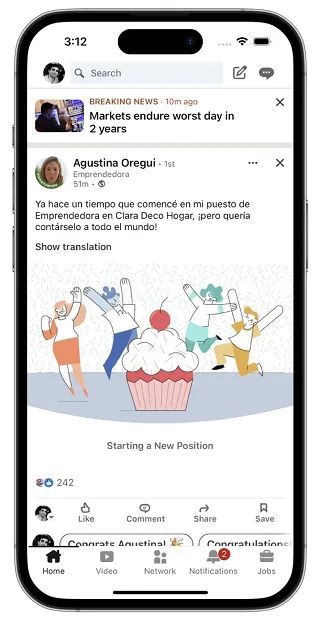
Linkedin is an online community that helps potential employees connect with people in the same field as them. Gen Z is the next major demographic of their website, so LinkedIn has been pushed to change for the better. According to recent research, 62% of Gen Z believe that diversity is beneficial in every sector of society. Already there are currently 78 million people within this demographic who are members on Linkedin. Since the start of 2020, their engagement has been 2.7 times higher. 


Linkedin’s choice to listen and pay attention to their ever-expanding demographic has led them to hire specialists. They make their service far more accessible to neurodivergent people and people with disabilities.


As an employer, is your Linkedin appealing to Gen Z? What changes can you make to appeal to this audience? Let us know your thoughts on InstagramLinkedIn or Facebook.


Want to read more stories like who are Gen Z and why are they important to cater to? Click here to read about our Beginners Guide to LinkedIn.

Vulse ArtVulse ArtVulse Art
Vulse Art

You May also be interested in

  • blog img

    The Complete Guide To Employee Advocacy Training For High-Impact LinkedIn Results

    This article explains how to build a practical, repeatable microlearning program to turn employees into confident LinkedIn advocates.Here's our step-by-step 6-week plan, module ideas, delivery tips, and ways to measure and sustain participation.Short, weekly modules increase completion and confidence.Design modules for profile polish, content curation, posting, and compliance.Use cohort challenges, badges, and reporting to reinforce habits and show value.Why microlearning works for employee advocacyLong training sessions are a participation killer. Microlearning breaks onboarding into tiny, targeted bursts that employees can finish on a commute or between meetings.For employee advocacy, the goal is not to create social media experts but to build repeatable, brand-safe habits.Micro-modules reduce friction, increase retention, and let you iterate content based on performance and feedback.6-week microlearning onboarding planThis ready-made plan balances skill, confidence, and compliance. Each week includes a 5–12 minute lesson, a practical task, and a quick quiz or reflection.Week 1: Why advocacy matters and low-friction first stepsExplain program purpose, expectations, and benefits. Task: like or share one company post with a personal note.Week 2: LinkedIn profile polishTeach headline, summary, and experience tweaks that improve discoverability. Task: update headline and add a short summary line aligned with role.Week 3: Content types and curationShow the 3 content types you want (company news, thought leadership, human stories). Task: save or suggest 3 shareable pieces from a provided content pack.Week 4: Simple post frameworksTeach a 3-part post formula: hook, value, CTA. Task: draft and publish a short post using the template.Week 5: Compliance and brand guardrailsCover what employees can and cannot say, privacy rules, and how to escalate questions. Task: complete a 3-question compliance quiz.Week 6: Amplify and measureShow how advocacy ties to metrics: reach, profile views, referral traffic. Task: compare week 1 and week 6 metrics and share one learning.Essential micro-modules to includeProfile optimization checklist3 quick post templates with examplesContent curation playbook and a monthly content packShort compliance scenarios and a one-question escalation flowSimple metrics dashboard and how to read itDelivery formats and tools that improve completionChoose formats that match how your people work. Mobile-first video, bite-sized emails, and chat nudges outperform long PDFs.Short videos (60–120 seconds) and captionsInteractive quizzes and reflection promptsSlack or Teams nudges and cohort channels for peer feedbackMicro-certificates or badges delivered via email or LMSUse your employee advocacy platform for content distribution and tracking. For example, integrate with your content hub to push curated packs and track clicks.Motivation, reinforcement, and measurementTraining is only useful if habits stick. Combine social proof, recognition, and visible metrics to keep momentum.Cohort challenges: small groups complete tasks together and share results.Visible leaderboards: show top contributors and sample wins.Recognition rituals: highlight stories in internal newsletters or town halls.Tie your program to outcomes. Use simple KPIs like participation rate, average reach per post, and referral traffic to campaigns. If you need a measurement framework, see our guide on proving advocacy impact.Common roadblocks and how to fix themLow completion: reduce module length and add a 1-minute reward (badge or recognition).Fear of posting: offer templates, peer review, and a private practice channel.Compliance concerns: build clear do/don't examples and a fast escalation path.Content scarcity: provide a monthly content pack and allow employees to suggest ideas.Scaling beyond onboardingAfter the initial 6-week program, keep momentum with monthly micro-modules - product updates, customer wins, or personal storytelling prompts.Couple learning with incentives and recognition programs to sustain long-term participation and measurable results.Q: How long should each micro-module be?A: Aim for 5–12 minutes of content plus a 5-minute task. Shorter modules increase completion and repeat engagement.Q: What metrics prove training success?A: Participation rate, active advocates, average reach per post, profile views, and referral clicks to campaigns are practical starting KPIs.Q: Can we run onboarding without a dedicated advocacy platform?A: Yes, but platforms dramatically ease distribution, tracking, and content packaging. If you lack one, use a mix of email, Slack channels, and a simple spreadsheet for tracking.

    Loading

    The Complete Guide To Employee Advocacy Training For High-Impact LinkedIn Results

    by - Rob Illidge -

  • blog img

    How To Scale B2B Personal Branding Faster Using Team Content Pillars

    In this guide, we share a repeatable framework to help B2B marketing and HR teams scale authentic LinkedIn personal brands across your organization.Discover what content pillars are, how to build them, and how to amplify them with an employee advocacy platform.Why team content pillars matter for B2B personal brandingIndividual leaders can create strong personal brands, but scaling impact across an organization requires shared focus.Content pillars are repeatable themes your people post about, topics that map to company strengths and buyer interests.Faster onboarding for new employee advocates, consistent messaging, and easier content creation that still feels personal.Research shows audiences trust employee content more than brand posts, so enabling many employees to post purposefully increases credibility and reach.For context on employee-led reach, see LinkedIn’s insights on creator and employee content strategies.What are content pillars for B2B teams?Content pillars are 3 to 5 core themes your team uses to guide LinkedIn posts, long-form articles, and micro-videos. Examples for a B2B SaaS company might be:Product value and customer outcomesIndustry trends and researchCareer advice and leadership lessonsCustomer stories and case highlightsEach pillar should include suggested formats, tone, and simple prompts so employees can make posts quickly while staying on brand.How to build practical content pillars in 5 stepsMap buyer and employee needs. Interview sales and customer-facing teams to align pillars with buyer questions and employee expertise.Pick 3 to 5 pillars. Fewer pillars make it easier for employees to stay consistent.Create post templates and prompts. Provide 3 headline templates, two image suggestions, and CTA options per pillar.Provide reusable assets. Share slide decks, quote images, and short video clips employees can personalize. This is where an employee advocacy platform streamlines distribution and tracking.Train and pilot. Run a 4-week pilot with 10-20 advocates, collect feedback, then scale with playbooks and monthly content calendars.How to keep posts personal but on-messageThe balance is simple: give structure but encourage authentic voice. Instead of providing full captions, give bullet-point talking points and a suggested first line to reduce friction.Use an employee advocacy platform to push approved assets, measure engagement, and reward contributors. Platforms designed for employee advocacy can also surface high-performing posts and suggest personalization tips.Vulse’s approach focuses on personal branding while ensuring compliance and easy sharing.HubSpot’s guide on personal branding provides useful tips on tone and narrative that pairs well with pillar-based programs.Measure what mattersMove beyond likes. Track metrics that tie to business outcomes and brand reach:Share rate: percent of invited advocates who postReach from employee networks: impressions and profile views driven by employee postsConversion signals: inbound leads and meeting requests referencing employee contentCorrelate spikes in profile views and inbound demos after advocacy campaigns to prove impact. For high-level trust and credibility stats, consult industry trust research such as the Edelman Trust Barometer.Practical tips to keep momentumRun short, recurring challenges to surface quick wins.Share monthly content reports and celebrate top contributors.Rotate pillar ownership so different teams bring fresh perspectives.Keep assets bite-sized: 1-slide images, 30-second clips, and one-sentence hooks.Common challenges and how to avoid themAvoid overly prescriptive scripts. Encourage personal anecdotes instead.Don’t assume one size fits all. Provide pillar variations for product, sales, and customer success functions.Prevent burnout by spacing required activity and recognizing volunteers.Frequently Asked Questions (FAQ)Q: How many pillars should we start with?A: Start with 3 pillars. It gives enough variety without overwhelming advocates.Q: Can employees customize company-provided assets?A: Yes. Provide editable templates and short personalization prompts so posts remain authentic.Q: What’s the ideal cadence for employee posts?A: Aim for 1 to 2 posts per month per advocate during the first 3 months, then increase as the program matures.

    Loading

    How To Scale B2B Personal Branding Faster Using Team Content Pillars

    by - Rob Illidge -

  • blog img

    How To Measure ROI Of B2B Employee Personal Branding Programs

    Employee personal brands extend your company's reach, but without measurement, it is hard to justify resources.This guide helps B2B marketing and HR teams build a clear, defensible approach to reporting business outcomes from employee social activity on LinkedIn and other professional channels.Purpose: Turn activity into measurable outcomes.Scope: Awareness, engagement, lead signals, and talent impact.Outcome: A replicable measurement plan and dashboard checklist.Start with clear goals and mapped outcomesThe first step is to link employee activity to business outcomes. Use three goal buckets:Awareness: Reach, impressions, profile views.Engagement and trust: Comments, shares, follower growth, sentiment.Demand and talent signals: leads, meeting requests, job inquiries.For each bucket, define one primary KPI and two supporting metrics. That keeps reporting focused and aligns to stakeholders.Attribution models that work for employee advocacyEmployee posts are often organic and multi-touch. Use pragmatic attribution:Direct attribution for actions that clearly originate from an employee post, like a tracked link click that results in a demo booking.Assisted attribution for leads where employee content increased engagement during the buying process, measured via lead surveys or lead scoring uplift.Correlation tracking when direct links are missing: track timing of spikes in inbound inquiries after coordinated employee campaigns.Combine these with UTM parameters, dedicated landing pages, and short-form tracking to connect employee activity to conversions.Practical tipAlways append UTM tags to campaign links and add a hidden field or source on forms that captures "employee_post" values. This makes direct attribution clean and repeatable.Suggested KPI set for B2B teamsBelow is a compact KPI set that balances visibility and business outcomes.Reach: Total impressions and profile views from employee posts.Engagement rate: Likes, comments, shares divided by impressions.Lead signals: Demo requests, content downloads, or contact form submissions tied to employee campaigns.Talent signals: Inbound recruiter messages and job application volume resulting from employee content.Sales influence: Number of opportunities where a seller cites employee content as a touchpoint.Building a simple dashboardCombine platform analytics with CRM and web analytics to create a single source of truth. A typical dashboard has three panels:Activity panel: Posts, shares, and top-performing employees.Engagement panel: Impressions, engagement rate, and follower lift.Outcome panel: Leads attributed, demo requests, and talent inbound metrics.Use an employee advocacy solution to centralize post scheduling and analytics. See how built-in reporting can speed analysis on an employee advocacy analytics page.How to calculate a simple ROIROI for personal branding programs is often a mixture of direct revenue and soft value. Use this conservative formula to start:Sum direct revenue attributed to employee-driven leads over a period.Add estimated value of assisted conversions using a conservative uplift percentage.Divide by program cost including platform, content creation, and team time.This produces a monetary ROI figure you can present to leadership. Be explicit about assumptions and update them with real data over time.Operational checklist to scale measurementApply these practical rules to keep measurement consistent:Standardize UTMs and naming conventions across employee campaigns.Automate data ingestion from LinkedIn and your advocacy platform into your BI tool.Train employees to use trackable links and to tag campaigns in post copy when asked.Schedule a monthly review with marketing, sales, and HR to review dashboard insights.Vulse customers often pair the platform with a CRM to close the loop between post and pipeline. Learn more on our features page about LinkedIn analytics and reporting.Example: 90-day reporting cadenceRun this lightweight cadence for the first 90 days:Week 0: Baseline metrics for profiles, impressions, and leads.Week 1 to 8: Run two focused campaigns and collect UTM-tagged conversions.Week 12: Produce a stakeholder report with direct revenue, assisted conversions, and talent signal changes.Repeat and refine goals based on what moves the needle.Evidence and further readingResearch shows employee-shared content generates higher trust and click-through rates than brand-only content. For context, LinkedIn's guidance on employee advocacy provides practical benchmarks and best practices, which can help calibrate expectations: LinkedIn Marketing Solutions.For measuring social ROI and building dashboards, HubSpot's guide to social media ROI is a useful practical resource: HubSpot Blog.Frequently asked questionsQ: How soon can we expect measurable results?A: You can see awareness and engagement shifts within 30 days. Attribution to pipeline typically takes 60 to 90 days depending on sales cycles.Q: Do we need an employee advocacy tool to measure ROI?A: Tools make tracking and reporting far easier but you can start with manual UTMs and CRM tagging. A platform scales measurement and reduces manual work.Q: Which metric should executives care about most?A: That depends on priorities. For revenue-focused leaders show attributed pipeline and deals. For talent-focused teams highlight inbound candidate volume and recruiter touchpoints.

    Loading

    How To Measure ROI Of B2B Employee Personal Branding Programs

    by - Rob Illidge -

Revolutionise Your LinkedIn Output Today

Got a question? Give us a call or start your free trail today