Vulse ArtVulse Art
Home/Company News

Empowering The Next Generation: How Vulse And The University of Staffordshire Help Students Thrive In Tech

  • Company News
blog-image

The tech world moves fast, and for students, turning ambition into opportunity is often harder than writing the first line of code.


That’s where the partnership between Vulse and the University of Staffordshire comes in. By combining practical employability support with next-gen digital tools, this alliance can help students progress, thrive and really make an impact in tech.


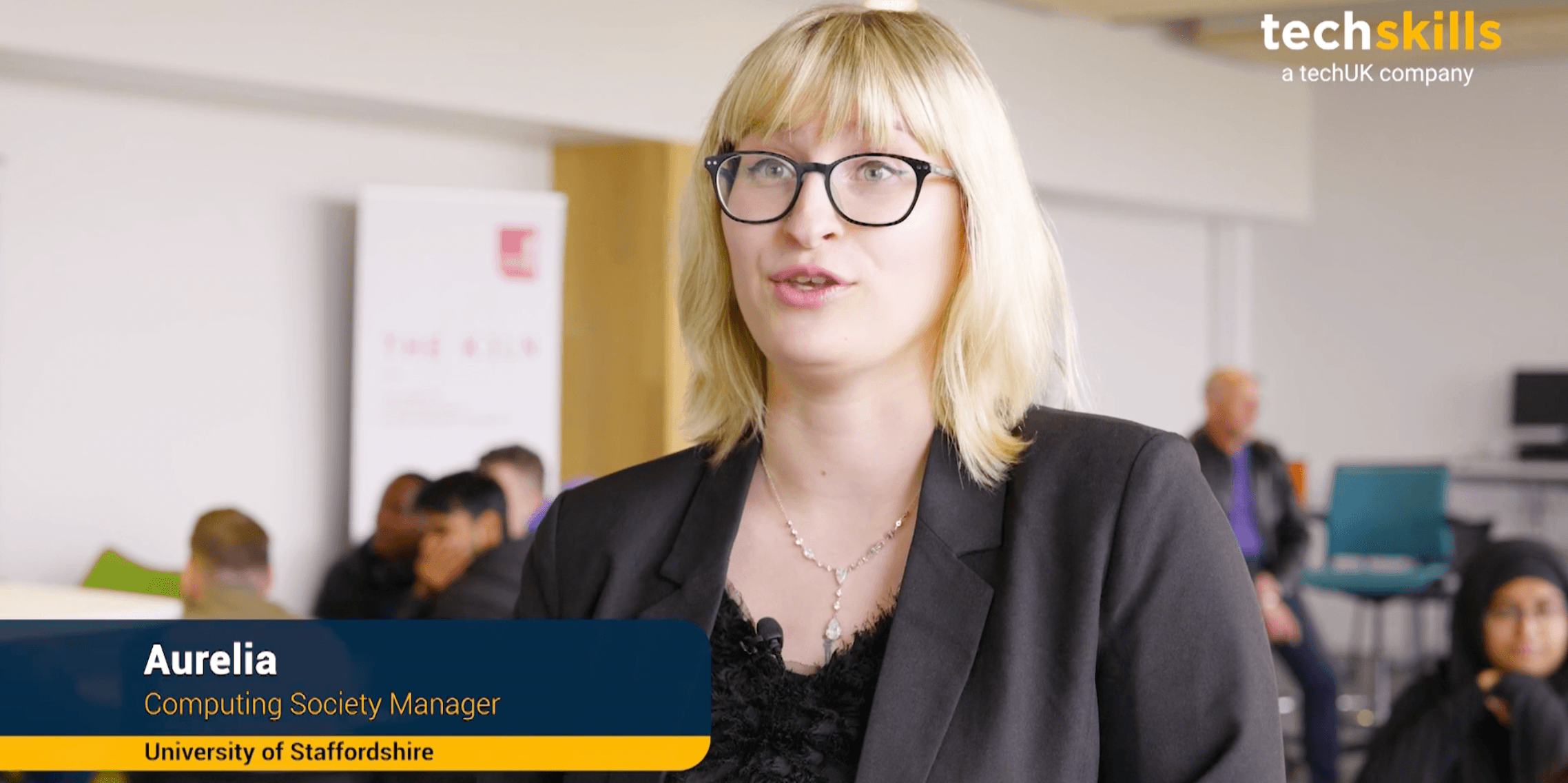
Watch the Vision: Staffordshire Students & Their Tech Futures
 

Start by watching “How to progress, thrive in and impact the tech sector | University of Staffordshire.” The video captures the potential and promise students have when institutions and forward-looking platforms work together. From real-world placements to digital skills training, it’s a call to action, and a blueprint for what’s possible. How to progress, thrive in and impact the tech sector | University of Staffordshire


Why Students at the University of Staffordshire Are Already Well-Positioned


The University offers a broad range of courses, from AI, cybersecurity, computer science, games design, to creative tech, giving students many pathways into the tech workforce.


Their Careers, Placements & Employability services help students with CV writing, mock interviews, internships and placement opportunities, part-time and graduate jobs, even support after graduation. 


For students in creative-tech fields (e.g. games, esports, design), Staffordshire’s London campus, located at the technology-hub Here East, opens doors to real industry interaction from day one. 


The University embeds employability into its academic strategy: work experience and placement opportunities are core, not optional, helping bridge the gap between “student” and “tech professional.”


All of this already gives Staffordshire students a head start, but adding Vulse into the mix can transform those opportunities into real, visible success.


What Vulse Brings to the Table: More Than Just Visibility


As a SaaS platform designed to leverage social media (especially LinkedIn) for employee advocacy and personal branding, Vulse offers unique advantages to students and recent grads:


Polished personal brand on LinkedIn & social networks, which significantly increases visibility to prospective employers.


Content-sharing tools and tone-matching: students can present themselves consistently and professionally - crucial for early-career professionals in tech.


A “digital footprint” that complements CVs and formal applications, helping students stand out in competitive recruitment pools.


Exposure to global employers and enterprise clients (thanks to Vulse’s partnerships and reach) - giving students access to more than just the local job market.


In short: with Vulse, a student’s technical skills and university experience don’t just stay on paper; they become part of a public, professional narrative.


How Combining the University of Staffordshire + Vulse Maximises Career Potential

Challenge for StudentsHow Staffordshire HelpsHow Vulse Amplifies It
Gaining real-world experiencePlacements, internships, employability services, mock interviews, access to Here East industry partners.Documenting, sharing achievements and building a professional profile on LinkedIn that stands out to employers
Breaking into competitive tech/creative-tech sectorsCourses in emerging fields (games, cybersecurity, esports), embedded employability in curricula.Showcasing portfolios, projects, internships, even if student, as legitimate professional credentials
Networking and visibility beyond local regionAccess to industry events, employer collaborations, freelancing/placement opportunities via Unitemps and IEZ.Reach beyond local employers, global and remote tech firms looking at social profiles and activity
Transition from education to employmentCareer support, job boards, lifelong careers-service access.Consistent professional presence, proof of engagement, and social-proof endorsements, helpful for when applying for first job or position

Combined, Staffordshire + Vulse gives students not only a competitive skillset, but also a platform and narrative to back it up.


Real-World Impact: What Could This Look Like for a Staffordshire Grad


“I completed my AI & Cybersecurity course, did a 6-month placement via Staffordshire, then used Vulse to build my LinkedIn profile, within two weeks I got head-hunted by a London tech firm.”


Scenarios like this become possible when the academic, practical and digital-branding pieces come together. Students don’t have to rely solely on traditional graduate-job routes; they can show up ready, visible, and confident, already demonstrating professional-level engagement.


Over time, the ripple effect grows: more students from Staffordshire forge successful tech careers, drawing attention to the University’s employability strength, strengthening Vulse’s ecosystem, and inspiring new students to follow the path.


Why This Matters - For Students, For Industry, For the UK Tech Sector


The UK tech sector is growing rapidly; to feed it, we need graduates who are not only technically skilled but also workplace-ready. By combining education, practical experience and digital self-presentation, Staffordshire + Vulse creates ready-to-hire grads.


From a diversity and inclusion viewpoint: by lowering barriers, giving visibility even to first-gen or non-traditional students, this model democratizes access to tech jobs.


For employers,  especially SMEs and startups, it’s easier to find well-prepared, digitally literate candidates who already understand the language of the sector.

Finally, this helps shape a more dynamic, adaptive UK tech workforce, students who not only code, but also communicate, network, and build personal brands.


What’s Next, How to Take Advantage


If you’re a student at Staffordshire, treat your socials (especially LinkedIn) as part of your career toolkit from day one.


Use placements and employability services not just for experience, but also to build real-world stories, projects, and credentials to share.


Don’t wait until graduation: start building your digital presence now. Use Vulse (or similar) alongside what you learn at University.


Employers and educators should recognise this model; it’s not just about degrees, it’s about readiness, visibility, and adaptability.

Vulse ArtVulse ArtVulse Art
Vulse Art

You May also be interested in

  • blog img

    Katie Gallagher OBE Joins Vulse Board

    Vulse is delighted to announce the appointment of Katie Gallagher OBE, Managing Director of Manchester Digital, to our board.With a distinguished career spanning over two decades in the digital and tech sectors, Katie will provide industry insights as Vulse continues its rapid growth.Katie Gallagher, a well-respected leader in the digital industry, has played a pivotal role in advancing Manchester's tech ecosystem through her leadership at Manchester Digital, the largest trade body for digital and tech businesses in the North West.Her commitment to building a vibrant digital economy was recognised with an OBE for services to the digital economy in 2023.Commenting on her appointment, Katie Gallagher OBE said:"I am thrilled to join the board of Vulse, a company that is at the forefront of enhancing how businesses engage with their employees and amplify their voices on LinkedIn.The team at Vulse, led by Rob and Annika, has developed an innovative platform that empowers employees to advocate for their organisations. I look forward to contributing to Vulse's mission and helping the company tobecome the next British unicorn."Annika Sanderson, Co-founder of Vulse, added:"We are incredibly excited to welcome Katie to our board. Her extensive experience in the digital industry and her leadership at Manchester Digital will be invaluable as we continue to grow and evolve.Having a female mentor like Katie, who has such a deep understanding of the challenges and opportunities within the digital sector, will be an incredible asset to Vulse.Her guidance will be instrumental as we work towards our vision of transforming how businesses harness the power of employee advocacy."Katie Gallagher OBE joins dotDigital founder, David Ivy, on our board.

    Loading

    Katie Gallagher OBE Joins Vulse Board

    by - Rob Illidge -

  • blog img

    How AiR Is Transforming Tech Recruitment On LinkedIn With Vulse: Founder Interview

    Artificial intelligence (AI) is changing how companies connect with top talent. To dive deeper into this transformation, we spoke with the founder of AiR, an AI-powered recruitment company specializing in tech talent.With over 12 years of experience in tech recruitment across England, Spain, and South Africa, AiR's founder shares how his company leverages AI, LinkedIn, and the powerful features of Vulse to enhance brand visibility and streamline hiring for fintech, e-commerce, and emerging industries.Can you tell us a bit about yourself and your journey to founding AiR?I’m the Founder of AiR, with more than 12 years in tech recruitment. My career has spanned multiple countries, including England, Spain, and South Africa. Through these experiences, I developed a strong understanding of AI's transformative potential in recruitment. Today, my role involves strategizing business growth while actively meeting our clients' hiring needs as they scale and incorporate AI into their talent processes.What is AiR, and what makes it unique in the recruitment space?AiR is an AI-powered recruitment company that connects top tech talent with leading companies in sectors like fintech, e-commerce, and other emerging industries. By leveraging AI, we streamline the hiring process, reduce bias, and enhance candidate matching quality. As the Founder, I focus on setting the company’s direction, fostering client relationships, and ensuring that our services evolve with the latest advancements in AI. Our aim is to provide efficient and inclusive recruitment solutions, utilizing AI to improve outcomes both for companies and candidates.How does AiR use LinkedIn for recruitment, both as a company and through individual team members?LinkedIn is essential for our business, both for lead generation and identifying potential candidates. Our company page serves as a platform to share our brand story, AI insights, and engage with tech and recruitment communities. Each of our team members is also active on LinkedIn, engaging directly with our target audience, sharing industry insights, and networking with top tech talent. It’s become a vital tool for building our brand presence and fostering meaningful connections within our industry.Why is LinkedIn such an important tool in recruitment?LinkedIn is invaluable for recruitment because it allows us to build a community within targeted industries and develop relationships with both prospective candidates and clients. It’s also a powerful branding platform, helping us promote our mission and engage people outside our network with warm outreach. With LinkedIn, we can create a meaningful presence, which is crucial in today’s digital hiring landscape.What challenges did AiR face with LinkedIn before using Vulse?Our main challenges were consistency and tracking. When building a business, brand voice alignment is crucial, and we wanted our team to be active brand advocates. Vulse’s features have allowed us to centralize our efforts, helping everyone stay consistent in our messaging. The platform’s dashboard has been especially useful, enabling us to monitor post performance across the team and make adjustments as needed. It has streamlined our approach to LinkedIn, supporting our goals for effective brand advocacy.Which Vulse features have proven most valuable to your team?The scheduling tool and analytics have been game-changers. They’ve made it easy for our team to post confidently and consistently, aligning with AiR’s brand voice. The scheduling feature ensures that we stay active on LinkedIn, while the analytics provide insights that help us optimize our presence. These features have been crucial in building a strong, unified brand on LinkedIn and positioning us effectively within the tech recruitment industry.With the help of Vulse, AiR has created a strong, consistent presence on LinkedIn, amplifying its brand and supporting its AI-driven approach to recruitment.By integrating tools like scheduling and analytics, AiR has effectively transformed LinkedIn into a hub for brand advocacy, attracting top tech talent, and staying at the forefront of AI-powered recruitment.

    Loading

    How AiR Is Transforming Tech Recruitment On LinkedIn With Vulse: Founder Interview

    by - Rob Illidge -

  • blog img

    Using Vulse To Grow Sales: How Planit Testing Does It - Exclusive Interview With Ryan Short

    We sat down with Ryan Short, a software and technology sales professional with over a decade of experience. Ryan's journey into the tech world is anything but conventional. Initially pursuing a degree in archaeology, he quickly realised the limited financial prospects. This led him from "digging for gold" to metaphorically "calling for it" in sales.Ryan's career began in cybersecurity, where he first leveraged the power of LinkedIn for marketing and sales promotion. Over the past ten years, LinkedIn has transformed significantly, evolving from a professional platform into a critical tool for business networking and promotion. Following his time in cybersecurity, Ryan transitioned into various roles within SaaS and AI firms, ultimately landing at Planit Testing. Here, he leads the UK sales team, focusing on new business campaigns and leveraging innovative tools like Vulse to drive success.In this interview, Ryan shares insights into his background, the evolution of LinkedIn, and how Planit Testing is making a difference in the realm of software quality assurance. He also discusses the importance of AI in content generation and the future trends that will shape the industry.Tell us about your background and your current role.I’m Ryan Short. I’ve worked in software and technology sales for the past ten years, which has been a bit of an interesting journey. I started off studying archaeology at university and found there was no money in that so I went from digging for gold to calling for it.I started in cybersecurity which was my first entry into using LinkedIn for marketing and sales promotion. Helping to build relationships and back then, ten years ago, LinkedIn was a different beast. It was completely different. It was a new world for a lot of people. And I don’t think many people knew how to use it.From cybersecurity, I changed over into a SaaS product house and then into an AI firm to where I am now, Planit Testing. We specialise in software quality assurance, and I’m leading the sales team in the UK, responsible for developing new business campaigns, and lots of fun stuff, which is why I use Vulse.Tell us about Planit Testing, what the company does, and your role.We’re experts in quality engineering. For the longest time, some of the biggest issues with DevOps, launching any kind of new systems, platforms, or anything technology-wise are defects in the codebase. Over time, these issues can scale which causes performance issues of the applications, ruining customer experiences.A great example is that of Sainsbury’s. Their ordering platform failed recently so orders weren’t going out causing loss of revenue and an unhappy customer base. I’ve heard of other cases, where stock is impossible to get ahold of, or locating where it is for various retailers just because their systems aren’t working.What people think are quite easy, functional things that should work quite often is a lot more of a laborious process. Even when you look at startups, for instance, you need to get your product to market as quickly as possible, but if it’s a bug-ridden mess, that doesn’t work too well. It’s kind of a bit of a dead duck on entry, unfortunately. So you have to sit there as a founder with your head in your hands.We help startups to enterprises on large projects, including AI, data, and quality assurance functioning, from initial consultation to the end of projects. I’m applying my years of experience, to support Planit Testing, in bringing new products to the UK market, building awareness, and elevating sales.How does the company currently utilise LinkedIn, both from a company page perspective and also employees as brand advocates?We utilise LinkedIn through Vulse as a brand awareness platform; promoting covering events, company updates, and our thought leadership pieces around AI, differentiating ourselves in a crowded space with AI-powered tools and AI tools.We also focus on B2B marketing to reach our business customers effectively.It’s an important time, as most businesses are being forced to implement some element of AI, as you may have seen from our recent LinkedIn post, 80% of CIOs are looking to introduce AI into their systems, increasing brand awareness. The problem lies in the data research and assurance to power those processes. LinkedIn is great for us providing valuable assets and guides on these topics through the LinkedIn content platform.Our employees post regularly, acting as brand advocates, sharing their unique journeys and how we’re helping customers, enhancing our brand identity. Especially when we’re helping businesses avoid huge headaches with flawed software systems when they hit the market.We also leverage digital marketing strategies to enhance our online presence. We also utilise email marketing to engage with our audience and share valuable content.How have you seen LinkedIn evolve in terms of personal content sharing?I find LinkedIn interesting. In terms of my role as a sales leader, I have seen it change quite drastically over ten years when users didn’t know what it was or what it did. I’ve found now that real personal human stories resonate, and generate interactions.As I started to develop my content approach, I noticed that the algorithm has changed rapidly and that without a platform like Vulse, it can be a challenge to keep up with the algorithm and understand what posts will reach more users.A lot of creators and “influencers” have been posting and trying to see what sticks for the longest time so it’s nice to have a service like Vulse that understands the latest algorithm updates, and allows brand advocacy in a safe space, whereby, you know, it’s going to do well.Before using Vulse, what were your challenges in terms of utilising LinkedIn?Before using Vulse, what were your challenges in terms of utilising LinkedIn for your marketing efforts?It would be understanding the LinkedIn algorithm, knowing what is going to be preferred in feeds, and if it will be seen by audiences. That’s what I find interesting about content marketing, is that you need to create valuable assets that are shared with audiences, and for it to resonate with them.That was initially difficult to gauge, making sure you’re not just content at a wall. You needed to have a real understanding or knowledgeable insights and that’s where thought leadership took over. Beforehand, it has been the equivalent of working in the dark, whereas now Vulse is the solution that lights up that room.What do you enjoy the most about Vulse? What kind of features do you use?I like to use the Content Theme Planer and Article Summariser as a marketing tool. Solutions that save me time, and put it back in my diary. Some of the topics I like to discuss can be complex, they’re effectively a niche within a niche, so the content I share needs to be bespoke and focused.As soon as I tried these features, I found that the output was incredibly precise, and matched my tone of voice, especially on technical themes. They allow me to add a theme, which then develops a post idea, which is a great starting point for the content creation process. And you know, it’s going to be seen in the feeds of my LinkedIn users.It’s allowed me to launch my personal brand, build thought leadership, and be noticed by potential customers, who are keen to learn more about our services, enhancing both my personal branding and personal brands.What is the future of AI and content generation?I think it’s important to remember there’s IA (Intelligent Automation) and AI (Artificial Intelligence), being able to create content, and understanding how it will perform before I hit post. So as a user, I can take that data and understand that if I tweak certain elements it’s likely to generate more engagement.For LinkedIn in particular, as the algorithm develops, we’ll be able to look at content trends in real-time, for example, a brand may look to post about a celebrity about a partnership, yet that person has in the past few hours negatively impacted their reputation by committing a crime.Tools will be able to analyse that public sentiment, warning content creators that they may wish to change their messaging.I’m looking forward to the advancements in customer sentiment analysis, and the ability to identify content that will add value to potential customers. For example, using intent data to say that specific target audiences are most interested in X and the current post discusses Y, which alerts you to make a change.

    Loading

    Using Vulse To Grow Sales: How Planit Testing Does It - Exclusive Interview With Ryan Short

    by - Rob Illidge -

Revolutionise Your LinkedIn Output Today

Got a question? Give us a call or start your free trail today